Canadian War Museum, Ottawa: Tickets and Info
This website offers official tickets for this venue. Please note, however, that it is not the official website of the venue.
Smartphone tickets
Why wait?
Instant confirmation
Flexible cancellation


Canadian War Museum: Skip-the-Line
Highlights
Bypass the regular queues with priority admission.
Explore both permanent collections and temporary exhibits.
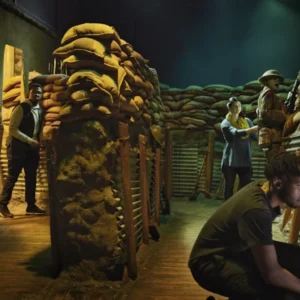
Enjoy access to special displays and immersive galleries.
Benefit from free coat check facilities.
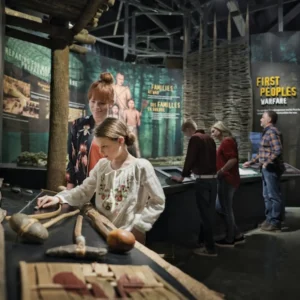
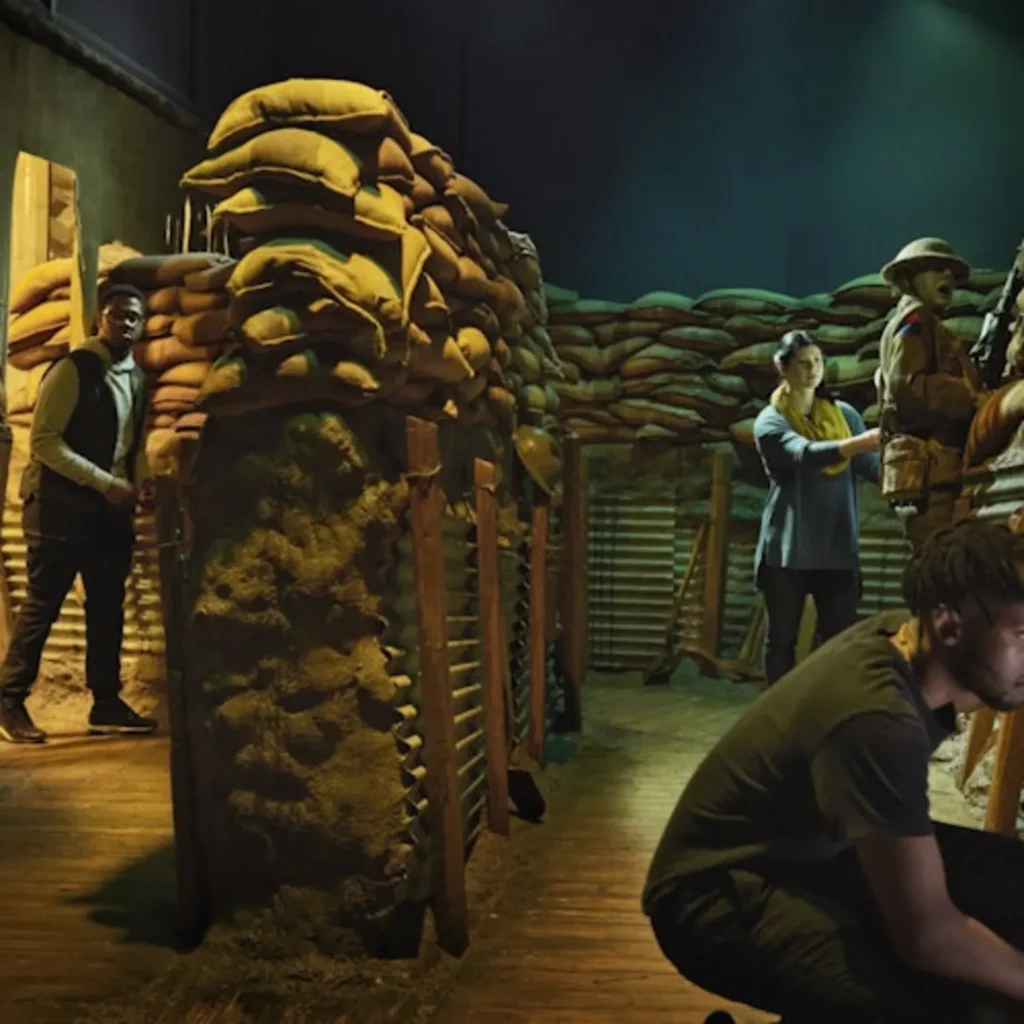
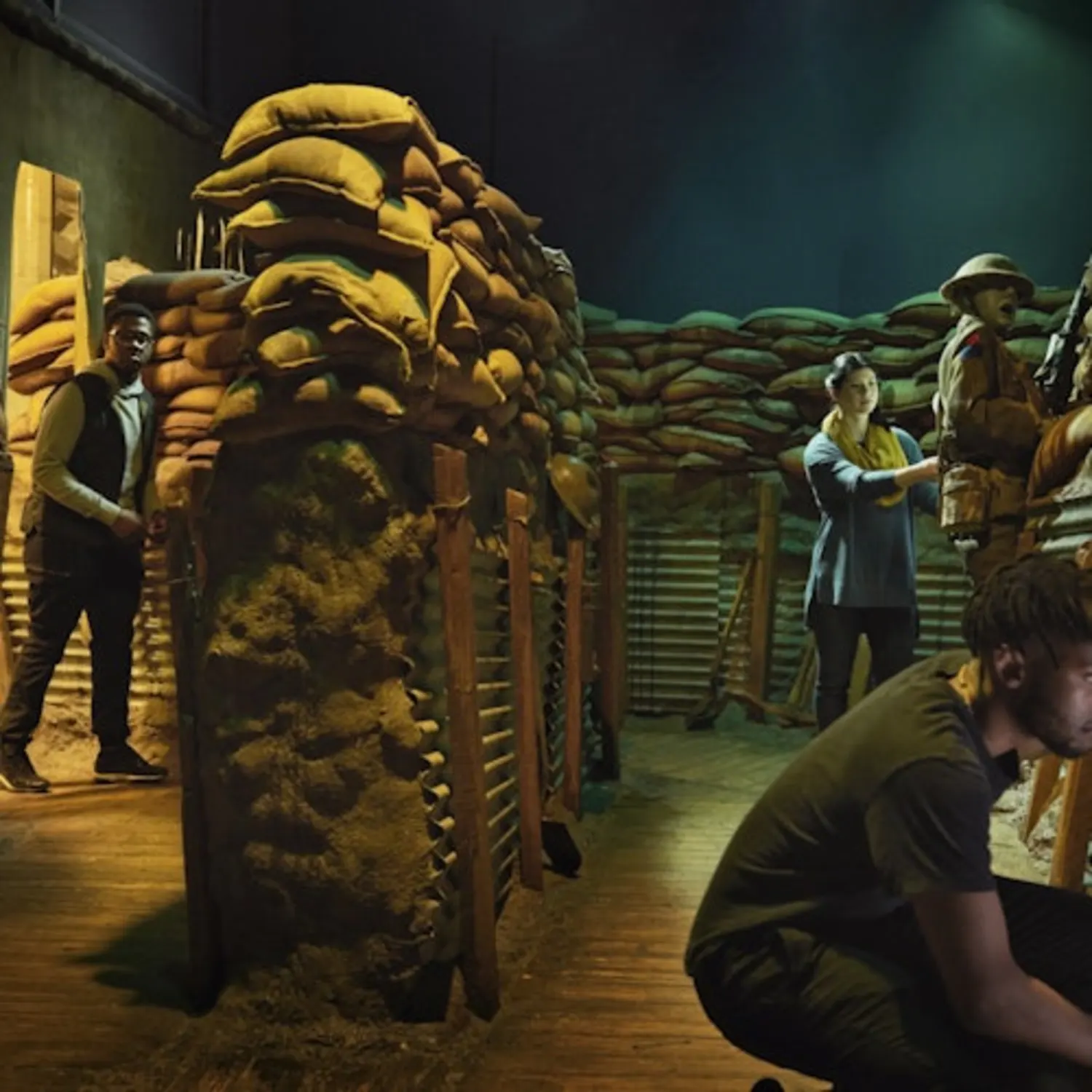
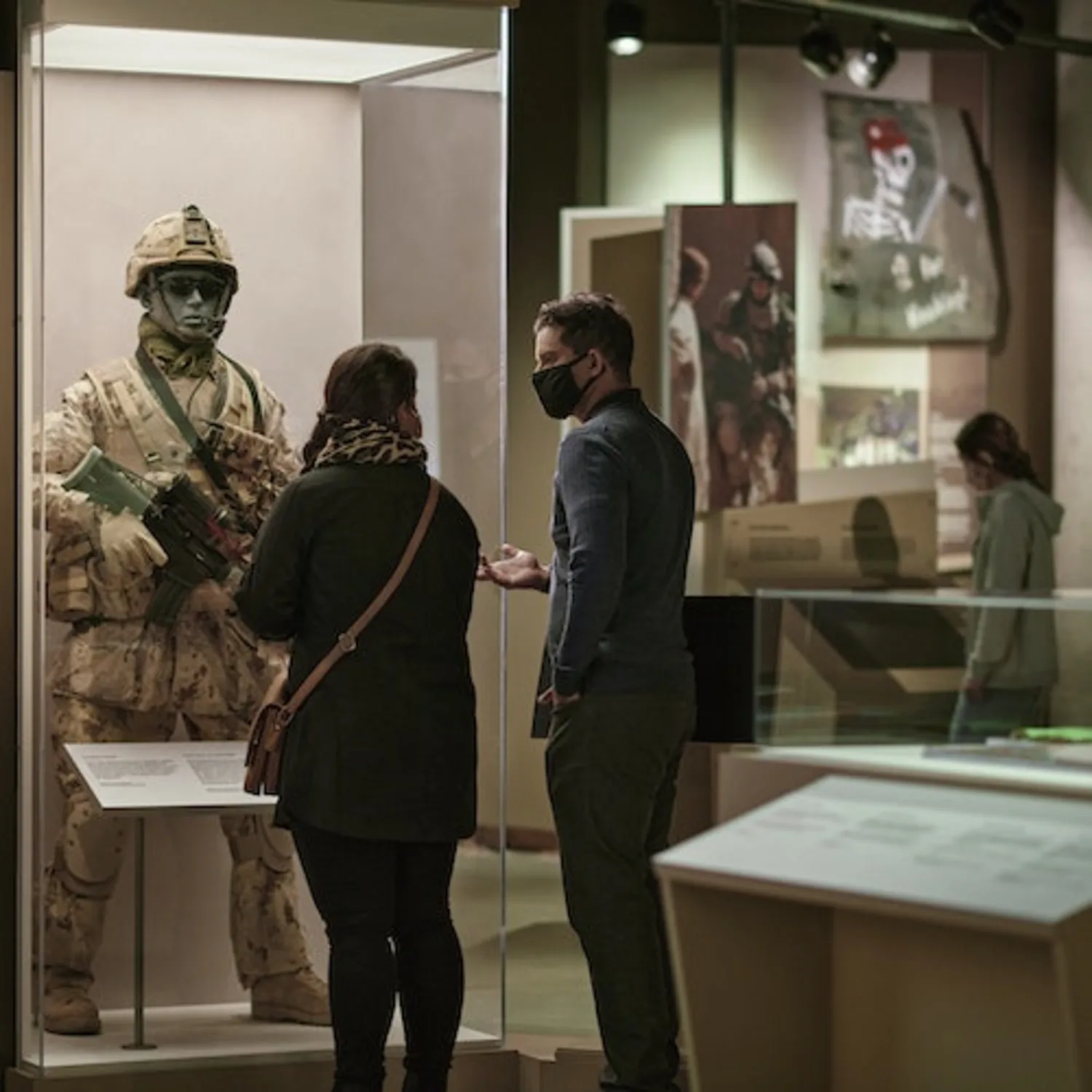
Discover personal war stories through interactive and visual presentations.
Good to Know Before Visiting Canadian War Museum
All visitors are required to have a timed admission ticket, which should be reserved online in advance to guarantee entry.
To protect the integrity of the historical artifacts, guests are strictly prohibited from touching or leaning on any of the exhibits or displays.
Large bags, backpacks, and full-length umbrellas are not permitted in the galleries and must be stored in the museum’s complimentary coat check.
Photography for personal use is generally permitted using handheld devices, but the use of tripods and professional lighting stands is prohibited.
Outside food and drinks are not allowed inside the exhibition spaces, though they may be consumed in the main lobby or the cafeteria.
Children under the age of 12 must be accompanied by an individual aged 16 or older at all times during their visit.
While service animals are welcome, you should be prepared to present documentation if the animal’s status is not clearly visible.
The museum utilizes immersive sound effects and low lighting in several galleries, which may affect visitors with sensory sensitivities.
If you are driving, please note that the underground parking garage has a maximum vehicle height clearance of 1.98 meters.
Re-entry is typically not permitted once your ticket has been scanned, so ensure you have everything you need before entering the galleries.
Essential Visitor Info
- Timings
- Address & Directions
- Facilities
- Accessibility

The museum is open 7 days a week during the following hours:
Monday: 9 AM to 5 PM
Tuesday: 9 AM to 5 PM
Wednesday: 9 AM to 5 PM
Thursday: 9 AM to 7 PM
Friday: 9 AM to 5 PM
Saturday: 9 AM to 5 PM
Sunday: 9 AM to 5 PM

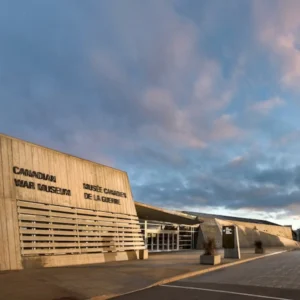
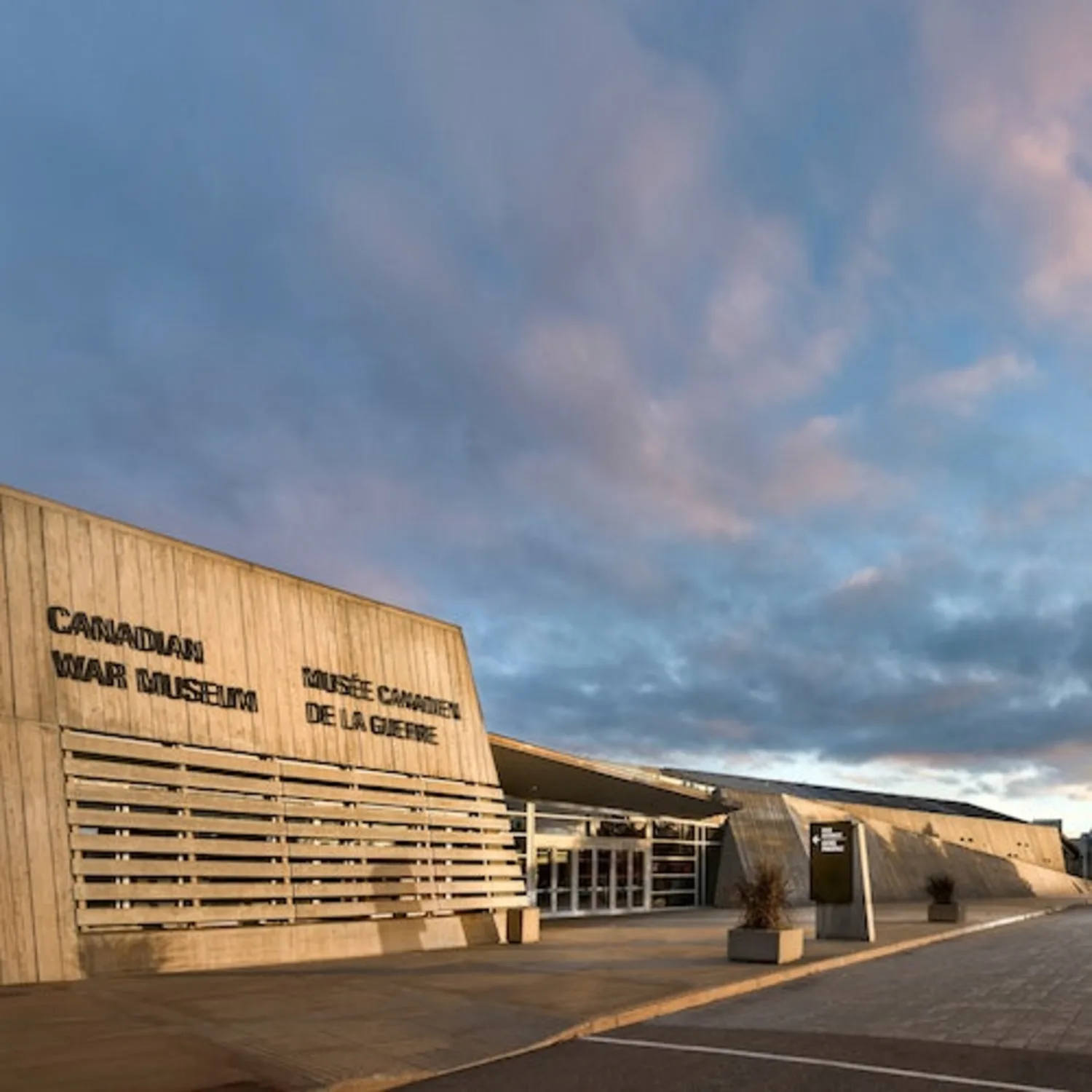
The Canadian War Museum is located at 1 Vimy Place in the LeBreton Flats area, west of Ottawa’s downtown core.
By Public Transit: The museum is highly accessible via Ottawa’s public transit system, OC Transpo.
O-Train: Take the Line 1 (Confederation Line) to Pimisi Station. From the station, the museum is approximately a 5-minute walk north along Booth Street.
Bus: Several local routes serve the area surrounding LeBreton Flats. Use the OC Transpo Travel Planner to find the most efficient route from your specific location.
By Car: The museum is located south of the Ottawa River and can be reached via several main thoroughfares.
From the West: Follow Highway 417 (The Queensway) and exit at Rochester Street. Turn north on Booth Street and continue toward the river.
From the East: Follow Highway 417 West and exit at Bronson Avenue. Continue north on Bronson, turning left onto Albert Street and then right onto Booth Street.
From Gatineau: Cross the Portage Bridge into Ottawa. Turn right onto Wellington Street, which transitions into Sir John A. Macdonald Parkway, then follow the signs for Vimy Place.
An underground parking garage is available on-site with a height clearance of 2.1 meters.
By Bicycle or Foot: The museum is situated directly along the Capital Pathway network, making it a convenient stop for cyclists and pedestrians.
Cycling: The Ottawa River Pathway passes immediately north of the museum. On-site bicycle racks are available near the main entrance for visitor use.
Walking: If you are coming from Parliament Hill, the museum is roughly a 20-to-30-minute walk (2 km) heading west along Wellington Street.

The Canadian War Museum is equipped with a range of modern amenities to ensure a comfortable visit.
Beyond the core exhibition spaces, visitors have access to a full-service coat check located near the main entrance, where large bags, umbrellas, and outerwear can be stored for a nominal fee.
The building also features a dedicated Resource Centre, which provides a quiet environment for those wishing to conduct research or browse through specialized military history publications.
For families, the museum offers nursing rooms and baby-changing stations located in all major restroom areas throughout the facility. The expansive lobby provides ample seating and serves as a central meeting point for groups.
Visitors should note that while photography for personal use is permitted in most galleries, the use of flash and tripods is generally prohibited to protect sensitive artifacts and ensure the safety of other guests.

The Canadian War Museum is fully committed to providing an inclusive environment and is designed to meet or exceed national accessibility standards. All public areas, including the galleries, theater, and dining spaces, are fully wheelchair accessible via ramps and spacious elevators.
Mobility Assistance: A limited number of manual wheelchairs are available at the Information Desk on a first-come, first-served basis. These are provided free of charge, though a piece of government-issued identification is required as a deposit.
Elevators and Clearances: All levels of the museum are connected by large elevators equipped with braille buttons and auditory signals. Doorways and pathways within the galleries are wide enough to accommodate motorized scooters and larger mobility devices.
Service Animals: Professionally trained service animals are welcome throughout the museum. Owners may be asked to provide documentation if the animal’s status is not immediately apparent.
Sensory Considerations: The museum can be a high-sensory environment due to sound effects and dramatic lighting in certain galleries. Noise-canceling headphones are available for loan at the Information Desk to assist visitors with sensory sensitivities.
Visual and Auditory Aids: Most audio-visual presentations within the exhibits include open captioning. For visitors with visual impairments, many areas feature high-contrast signage, and tactile elements are incorporated into several major displays.
Accessible Parking: Dedicated parking spaces for holders of valid provincial accessible parking permits are located in the underground garage close to the elevator lobby.
Washrooms: Universal accessible washrooms, equipped with grab bars and emergency call buttons, are located on every floor.
About the Canadian War Museum

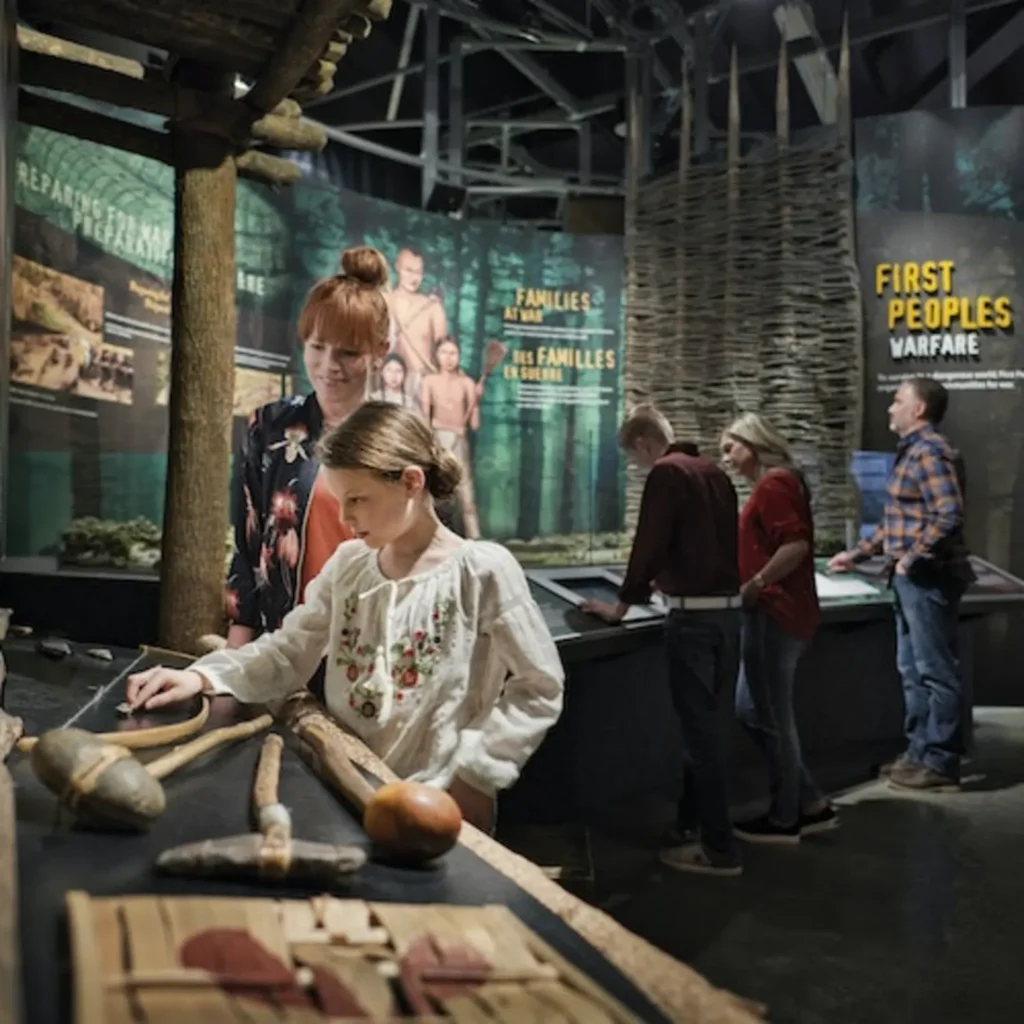
The Canadian War Museum is the national museum of military history, located on the historic LeBreton Flats along the Ottawa River. Since its opening in 2005, the museum has served as a center for education and remembrance, housing over three million artifacts that span centuries of history. The permanent Canadian Experience Galleries provide a chronological journey from early indigenous conflicts and the struggle for North America to the World Wars and modern international operations.
Each gallery is designed to move beyond the technical aspects of battle, focusing instead on the social, political, and personal impacts of war on both soldiers and civilians.
By blending significant machinery with deeply personal narratives, the museum offers a balanced perspective on how conflict has shaped the Canadian identity and the ongoing pursuit of global stability.
Exhibition Space: 115,000 square feet
Collection Size: Over 3 million artifacts and specimens
Number of War Art Pieces: 13,000+ works
Annual Visitors: Approximately 500,000 guests
Why Visit the Canadian War Museum?
Explore Canada’s Military History
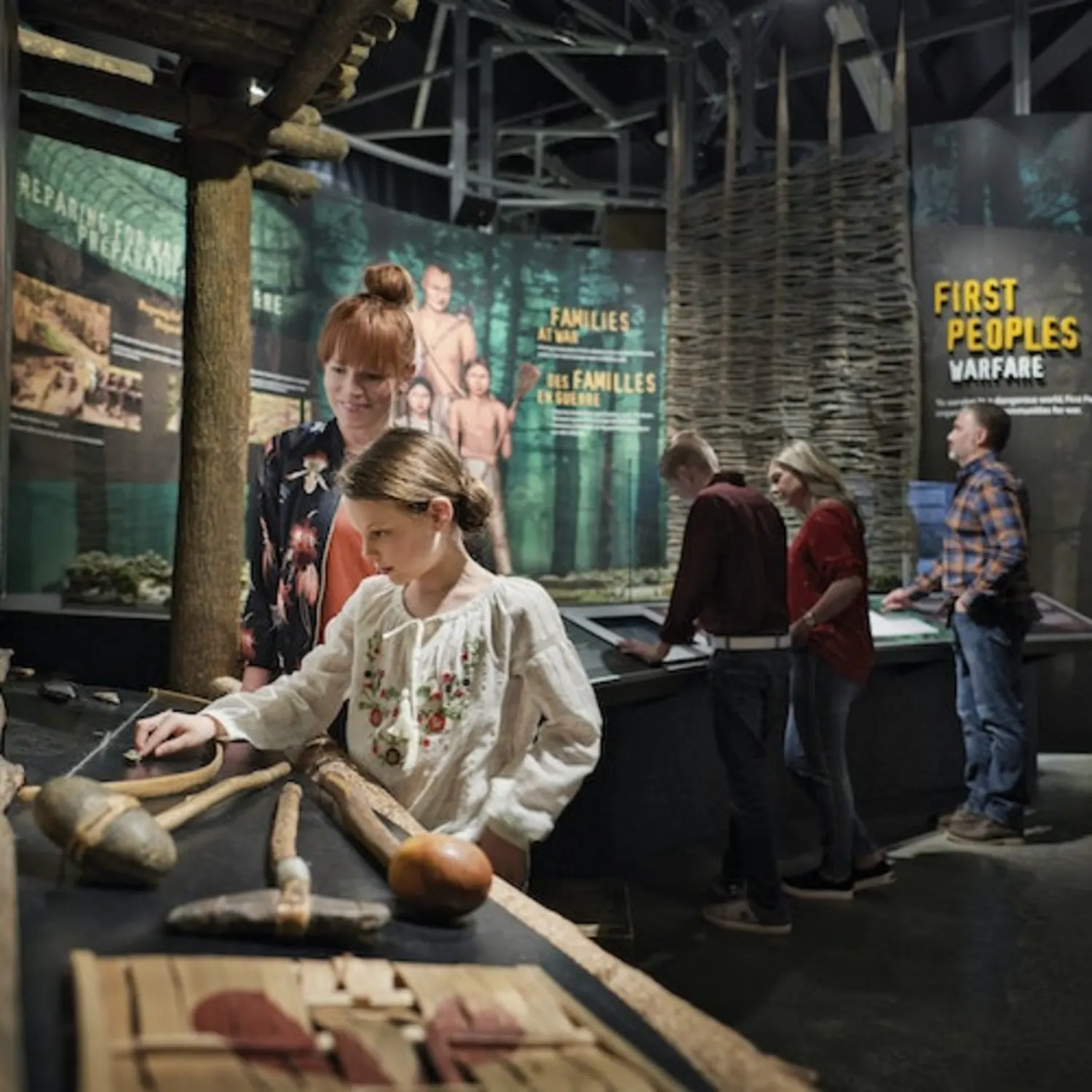
The museum provides a comprehensive chronological look at the conflicts that have shaped the nation, from early indigenous warfare to modern international operations. It serves as a national center for the study of the human experience of war and its impact on Canada’s development.
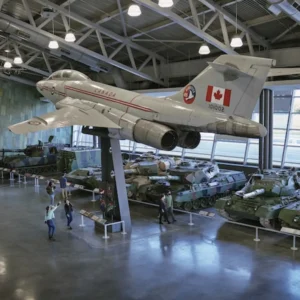
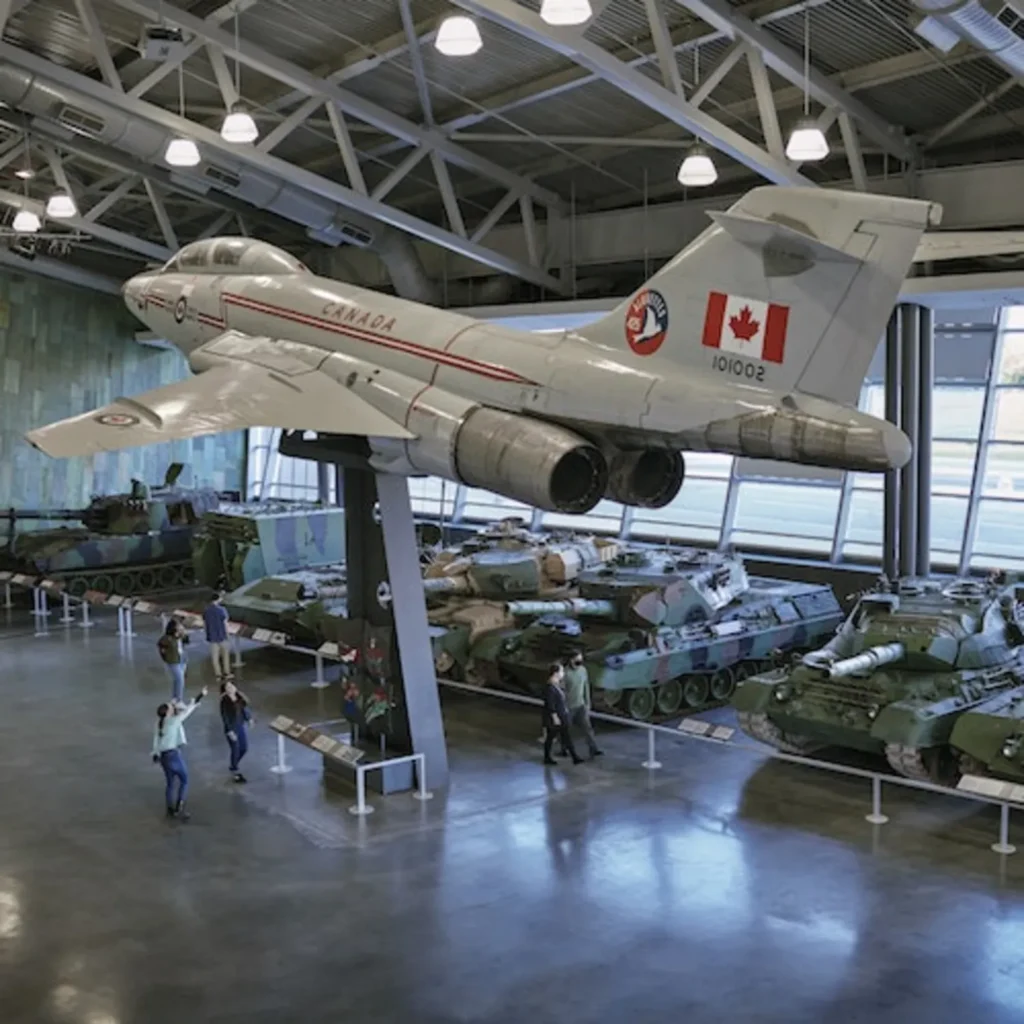
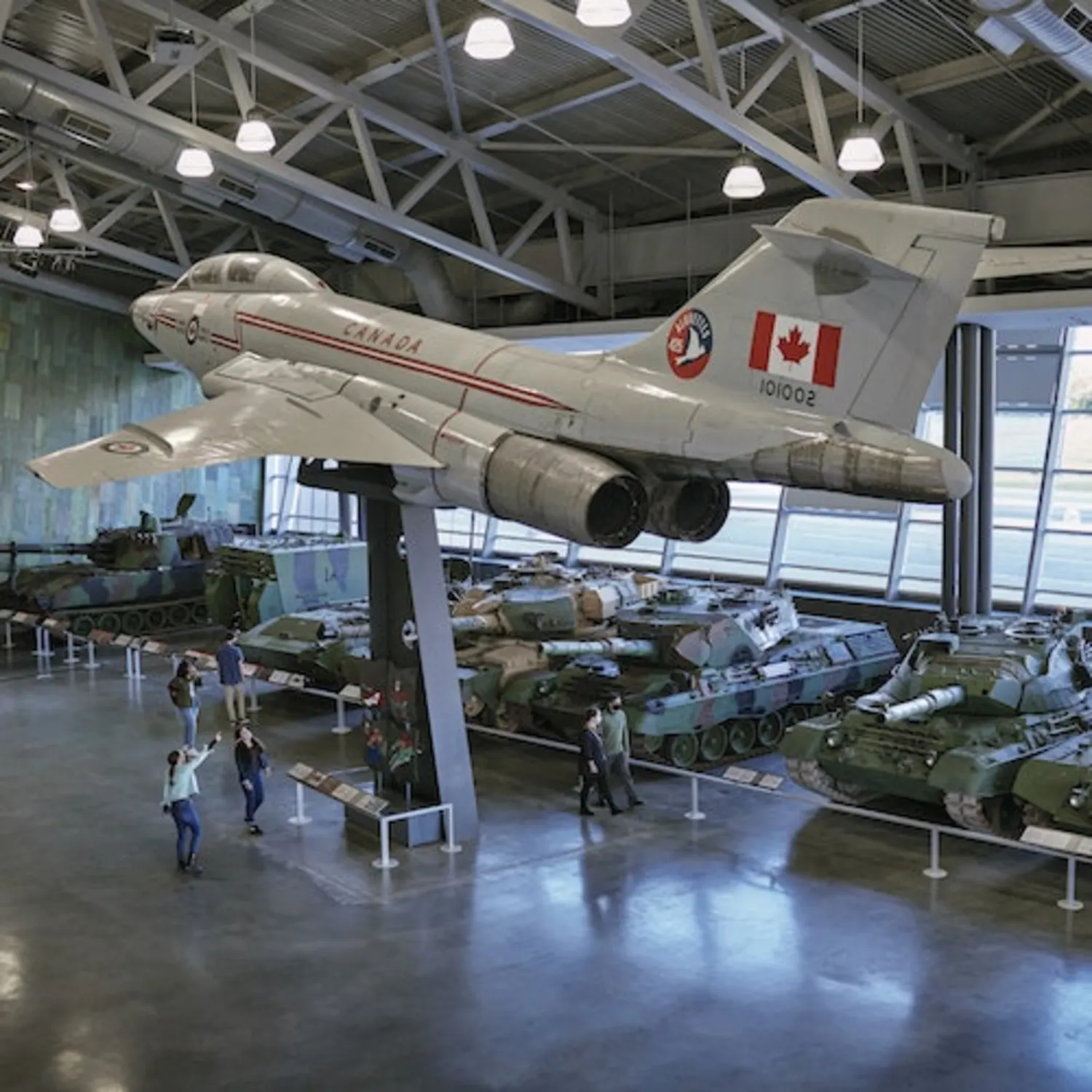
The LeBreton Gallery’s Heavy Equipment
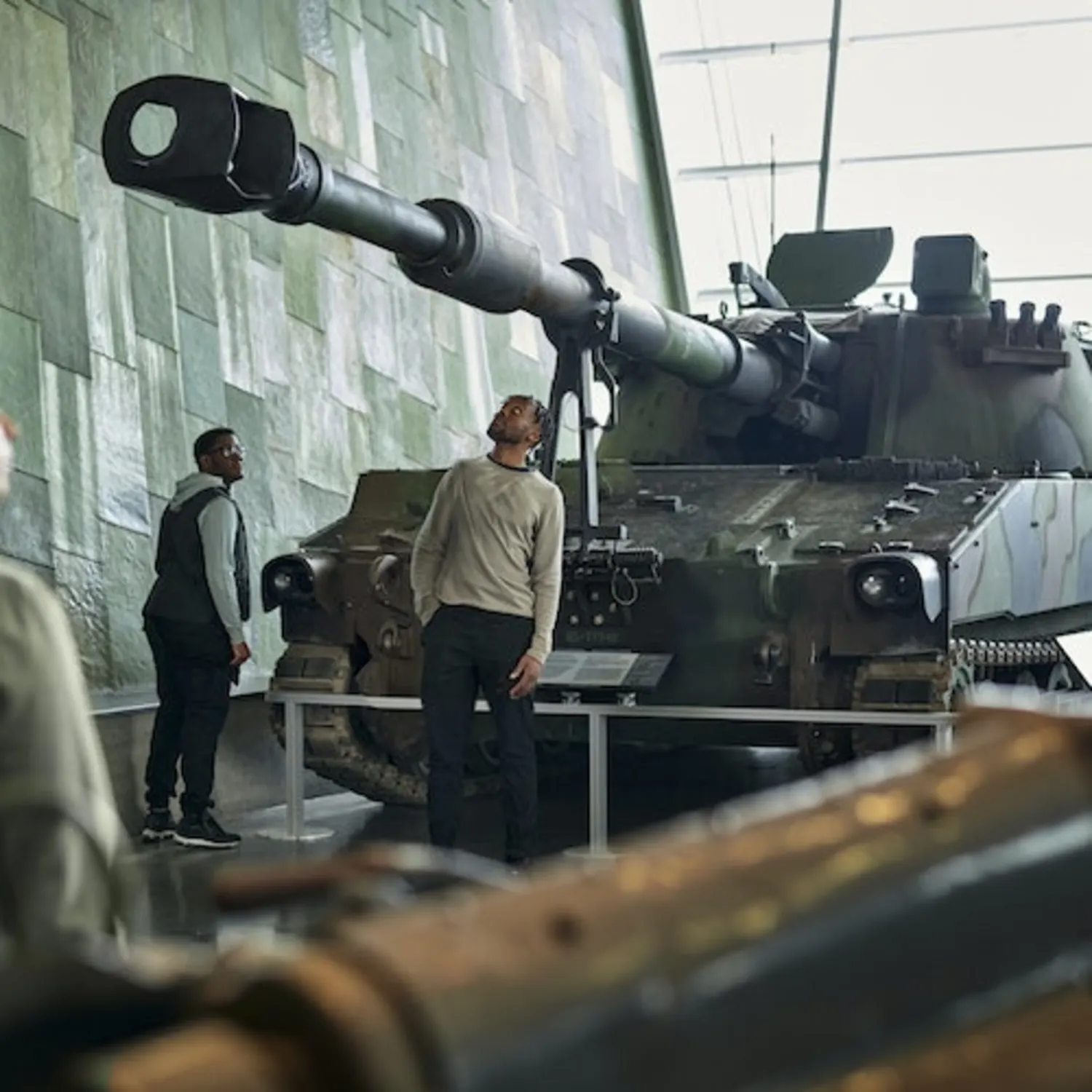
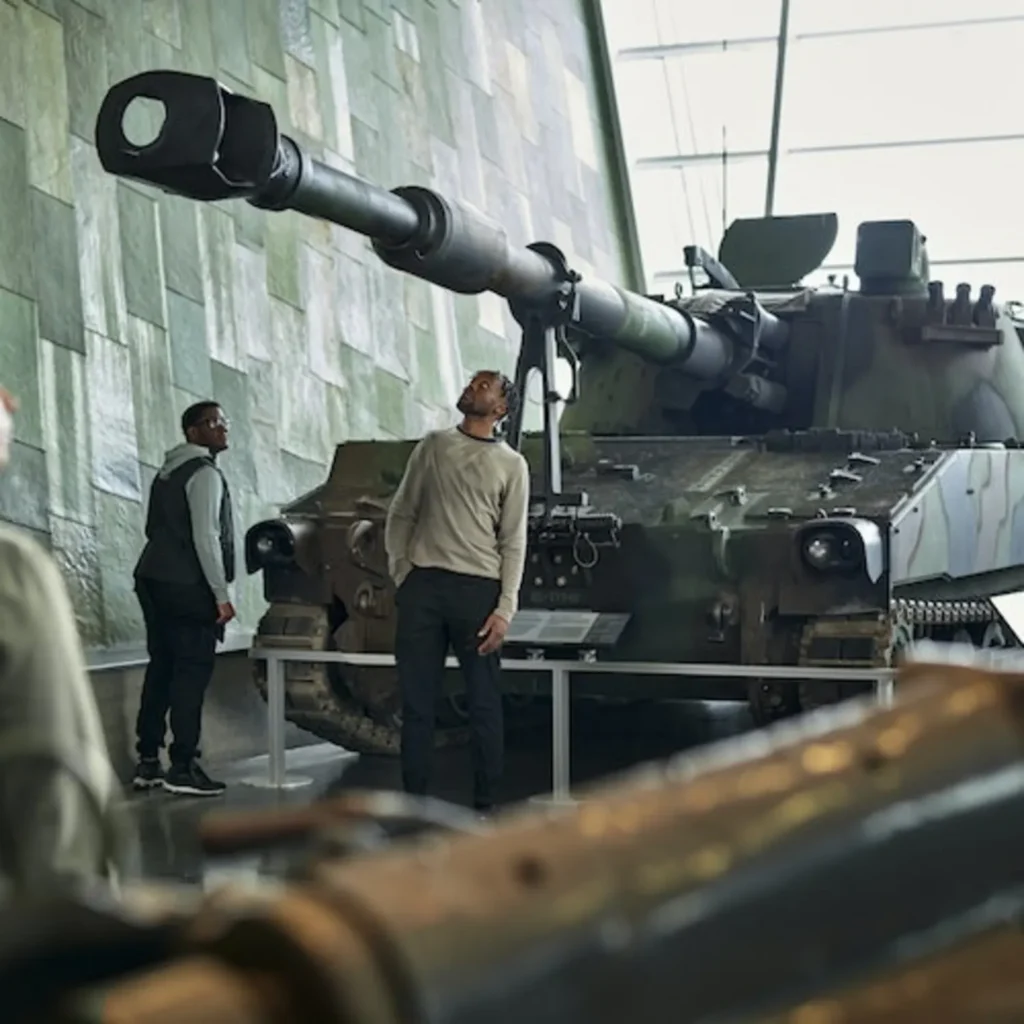
This expansive gallery houses an extensive collection of large-scale artifacts, including tanks, artillery pieces, and military vehicles from various eras. Visitors can view rare specimens such as a V-2 rocket and a wide array of armored fighting vehicles in an open, accessible setting.
Architectural Symbolism and Design
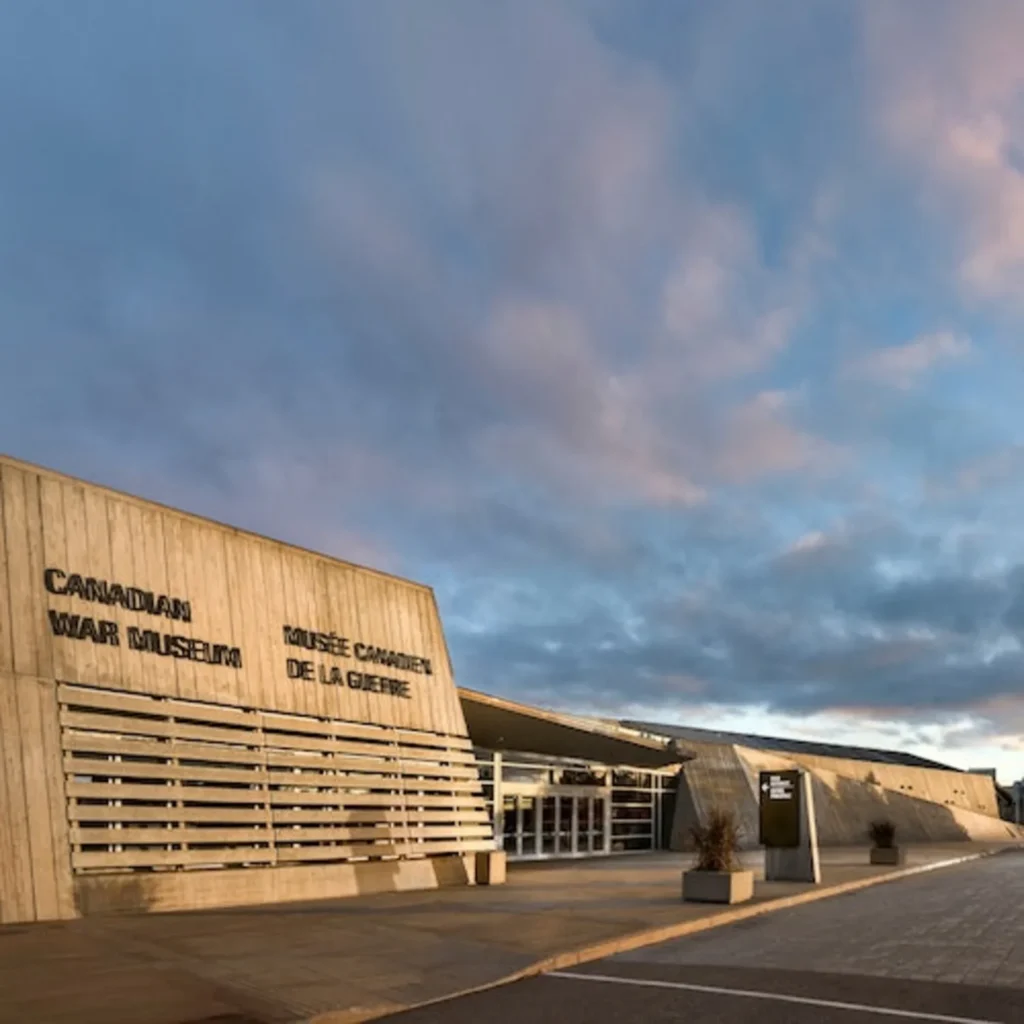
Designed by Raymond Moriyama, the building itself is an artifact, featuring raw concrete walls and a copper roof salvaged from the Library of Parliament. The structure incorporates symbolic elements, such as the regeneration-themed architecture and the small windows that spell out “Lest We Forget” in Morse code.
Memorial Hall and the Unknown Soldier
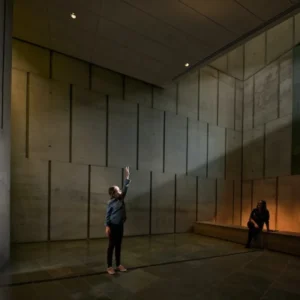
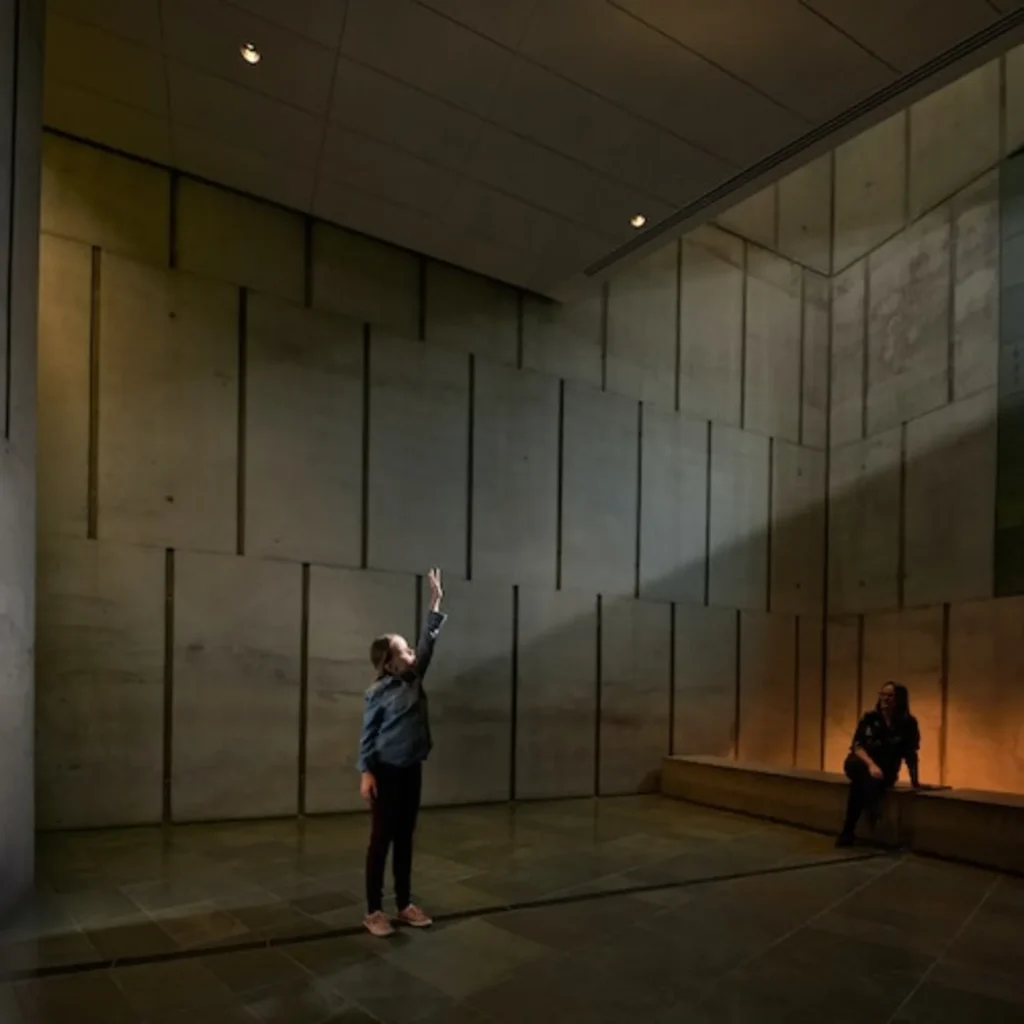
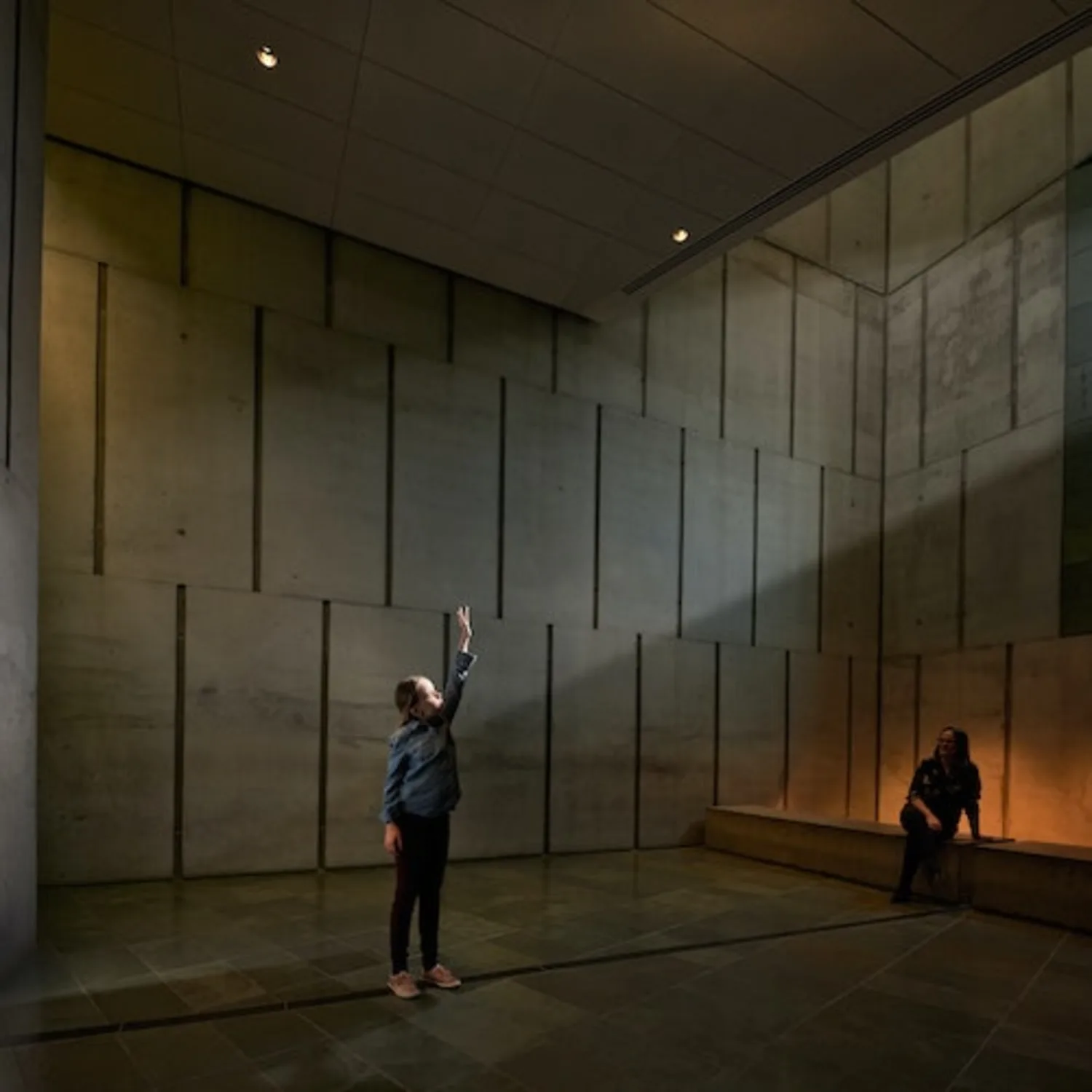
This quiet space is designed for reflection and serves as one of the most powerful points in the museum. Every year on November 11 at 11 am, the hall is engineered so that sunlight shines through a single window to perfectly frame the headstone of Canada’s Unknown Soldier.
Personal Accounts and Human Stories
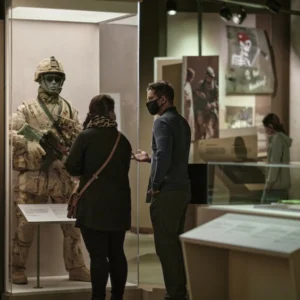
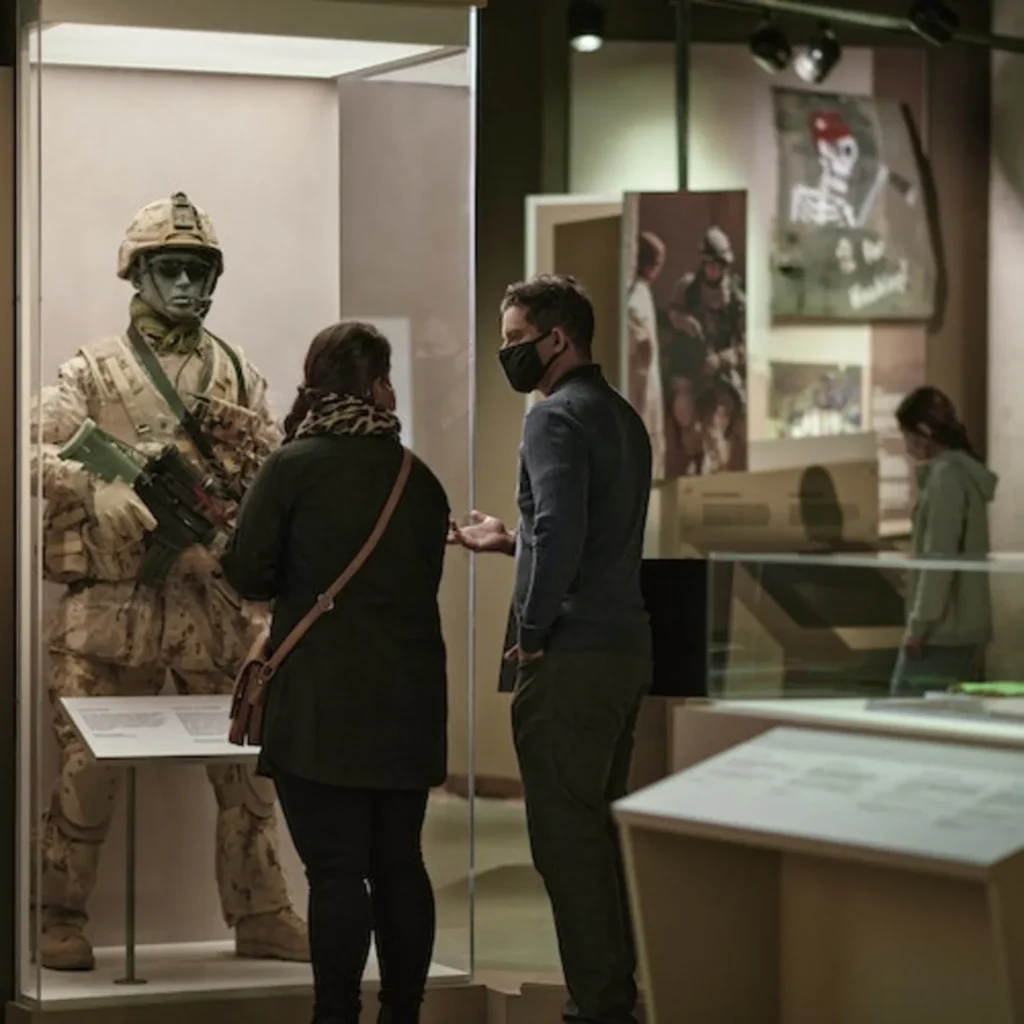
Beyond the machinery of war, the museum emphasizes the personal stories of veterans, civilians, and their families through letters, uniforms, and diary entries. These exhibits provide a sobering look at the personal sacrifices and the social consequences of conflict on the individual level.
Canadian War Museum – Additional Info
- Dining
- Souvenir Store

The Vimy Kitchen is the museum’s primary dining facility, offering a selection of hot and cold meals in a bright, casual setting overlooking the Ottawa River. The menu typically includes various sandwiches, salads, soups, and daily specials designed to cater to a range of dietary preferences. It is an ideal spot for visitors to take a break and recharge before continuing their tour of the galleries.
For those who prefer a quicker option, a variety of snacks, pastries, and beverages – including fair-trade coffee and tea – are available throughout the day. While the café provides ample indoor seating, visitors during the warmer months can also enjoy their meals on the outdoor terrace, which offers views of the surrounding parkland and the city skyline.

The Museum Gift Shop, located near the main lobby, offers a diverse selection of merchandise that reflects Canada’s military heritage.
Visitors can find an array of historical books, documentaries, and specialized literature covering various conflicts and military technology. The shop also stocks unique apparel, commemorative pins, and replicas that serve as educational mementos of the museum experience.
In addition to historical items, the store features products crafted by Canadian artisans, including jewelry and home decor. For younger visitors, there is a dedicated section for educational toys, models, and kits that encourage an interest in history and engineering.
All proceeds from the gift shop directly support the museum’s ongoing efforts in artifact preservation and educational programming.
Interesting Facts about the Canadian War Museum
The Canadian War Museum is not only a repository of history but also a masterpiece of symbolic architecture. Below are several unique facts about the venue and its design.
The museum’s roof is covered in over 10,000 square meters of self-seeding grasses and wildflowers designed to mimic the banks of the Ottawa River.
A series of small windows along the building’s peak uses Morse code to spell out “Lest We Forget” and “N’oublions jamais.”
The copper panels found throughout the museum’s interior were salvaged from the roof of Canada’s Library of Parliament during its renovation.
The building was designed by architect Raymond Moriyama, who was inspired by his childhood experiences in a Canadian internment camp during World War II.
Every November 11 at 11 am, sunlight passes through a specific window in Memorial Hall to perfectly illuminate the headstone of Canada’s Unknown Soldier.
The walls throughout the museum are intentionally sloped and angled at odd degrees to evoke the physical and emotional instability caused by war.
The LeBreton Gallery contains a rare V-2 rocket, one of the first long-range guided ballistic missiles ever developed.
The concrete walls in Memorial Hall are textured with a pattern that mimics the rows of white headstones found in Canadian military cemeteries overseas.
The museum’s “Regeneration” theme represents the idea that nature can eventually heal and grow over the devastation left by human conflict.
The facility houses the Beaverbrook Collection of War Art, which contains over 13,000 individual pieces including paintings and sketches made on front lines.
The main hallway is aligned with the Peace Tower on Parliament Hill, creating a visual link between the museum and the seat of Canadian government.
The museum building itself is constructed on a former industrial brownfield that required extensive environmental decontamination before work could begin.
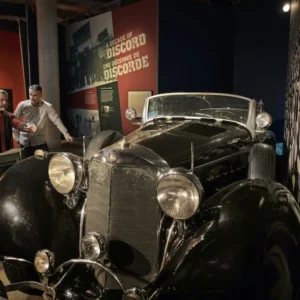
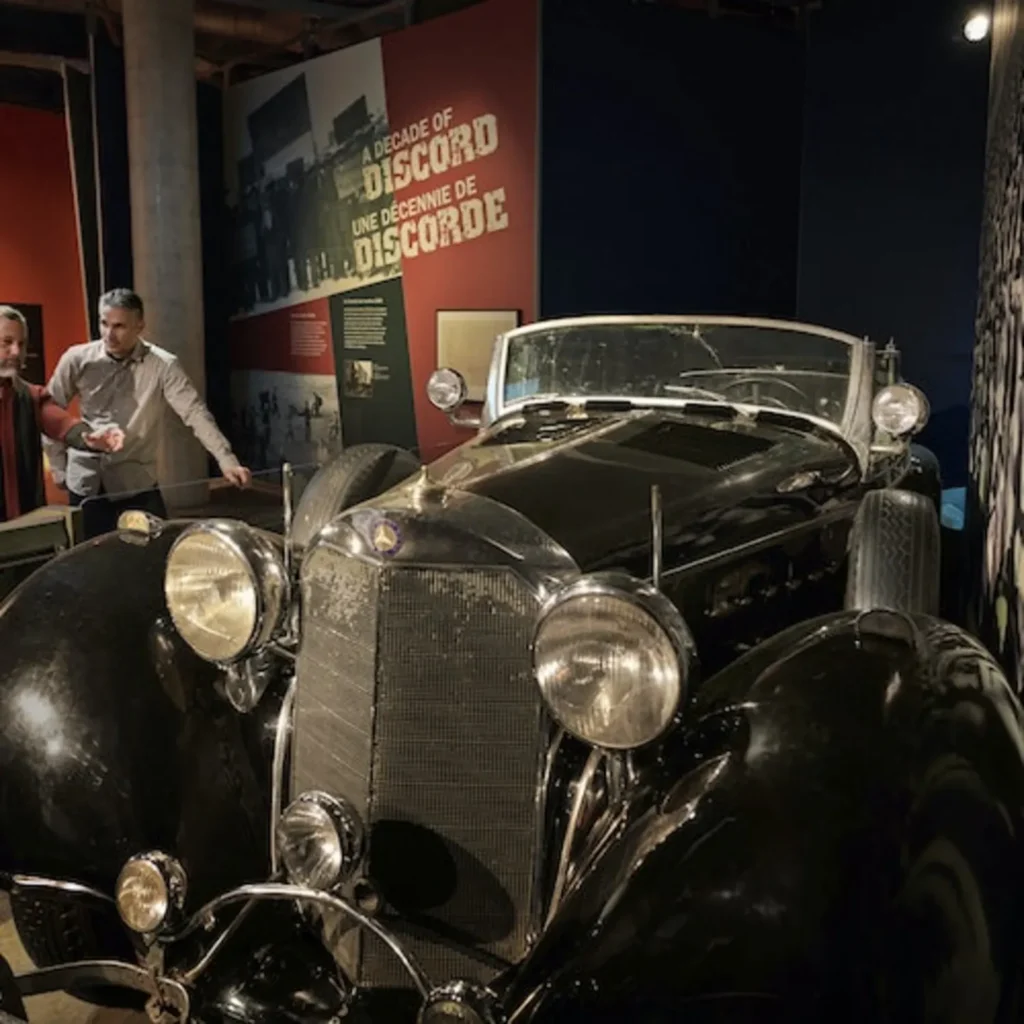
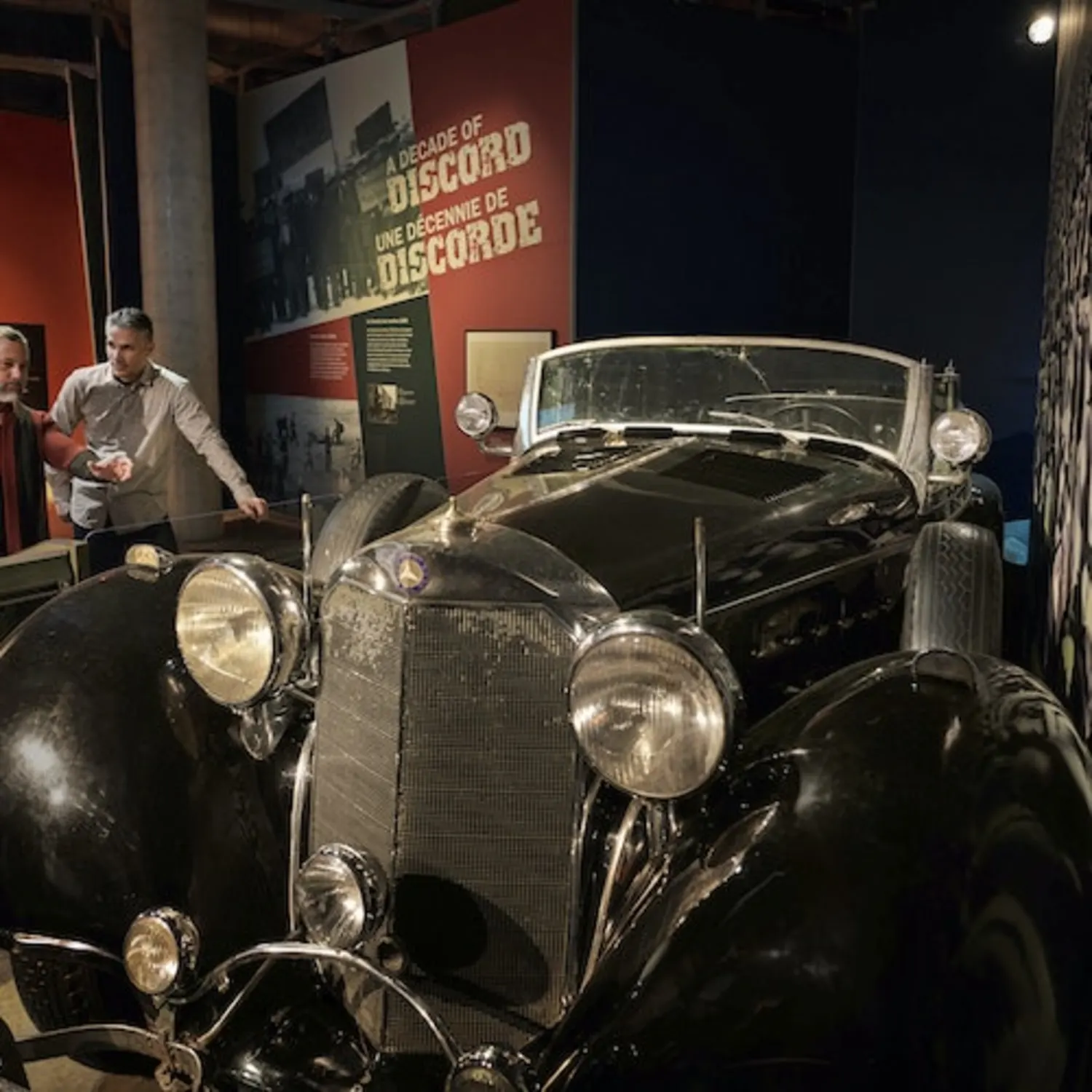
Among the massive vehicles in the LeBreton Gallery is a Hitler-era Mercedes-Benz 770K staff car, one of the most infamous artifacts in the collection.
The height of the building increases as you move from west to east, symbolizing a rise toward hope and the future.